Air filters · Type 07 of 08
Metal filters
A metal filter is made of layers of metal mesh, usually aluminium, galvanised steel or stainless steel, held in a rigid metal frame. The mesh layers are often of different densities so the coarse particles are caught first and the finer ones deeper in the pack. There is no disposable media, so the filter can be washed and used again.
- Drawing
- AKS-AF-METAL
- Sheet
- 13 / 17
- Rev
- 2026-11-16
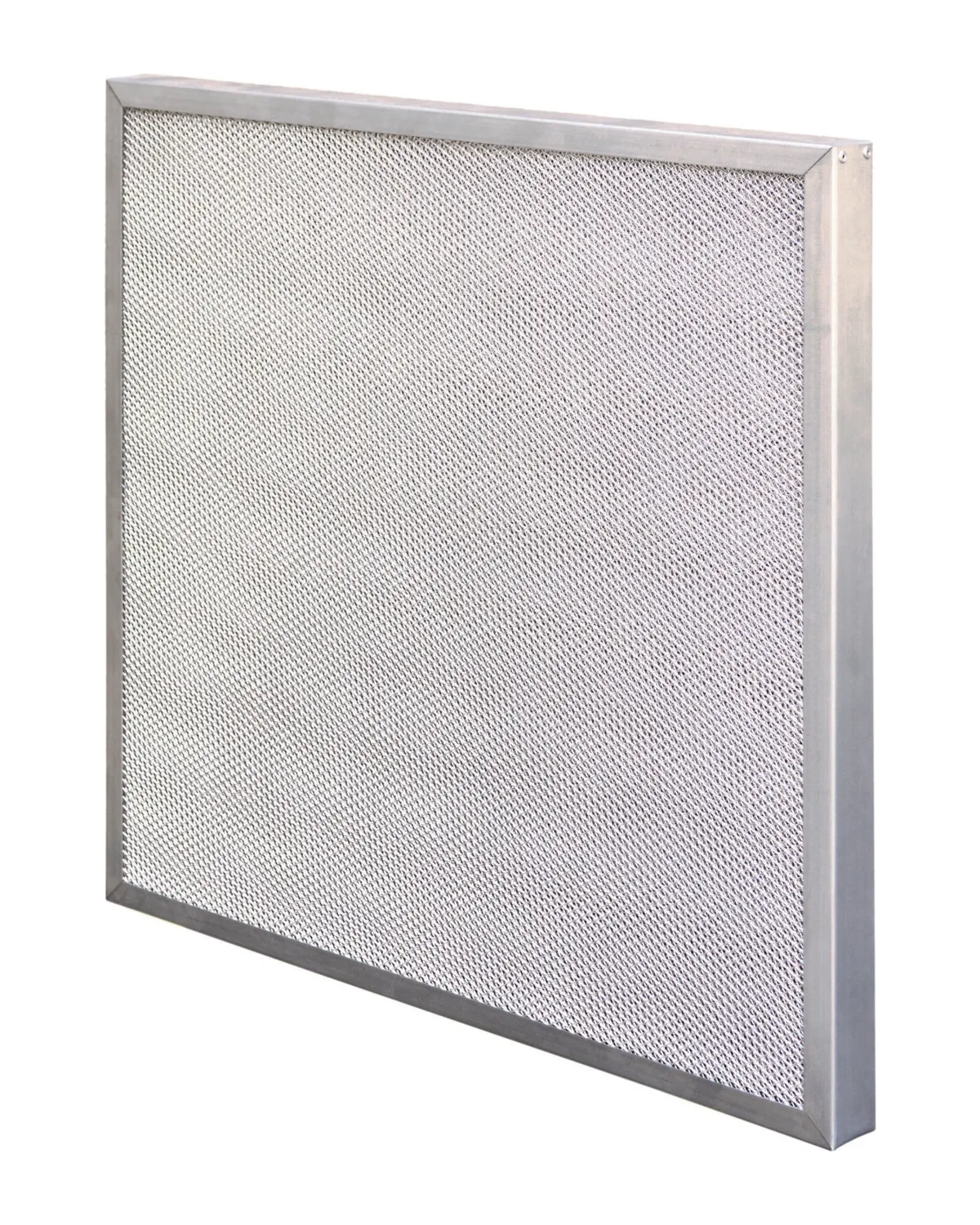
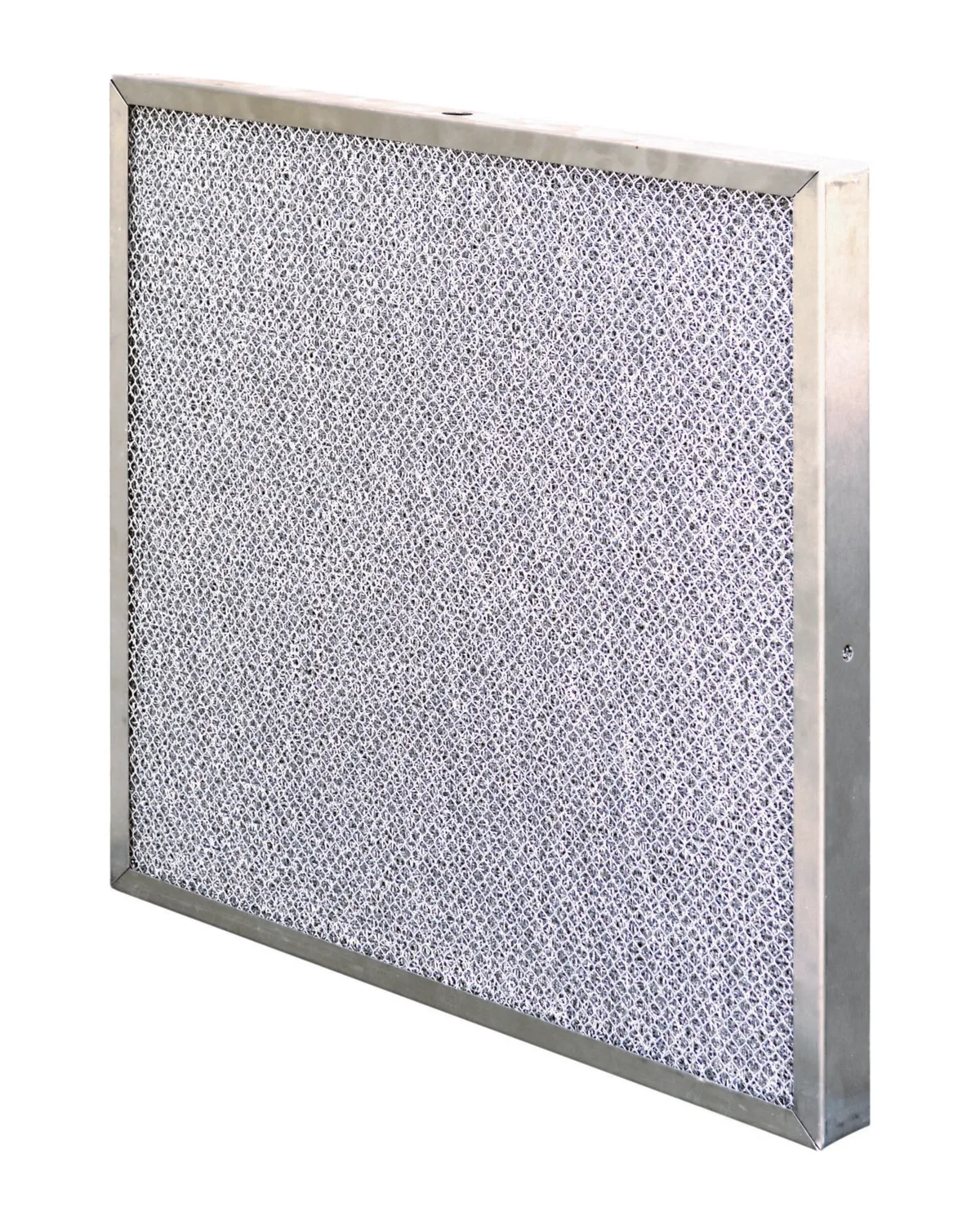
Construction
How a metal filter is built.
It is a coarse filter. Metal filters sit in the lowest efficiency range of ISO 16890 and catch large particles, droplets and debris, not fine dust. Their advantage is a low pressure drop and a long working life, which suits high airflows and dirty duties. We confirm the exact rating for your order.
| Construction | Layered metal mesh in a rigid metal frame |
|---|---|
| Material | Aluminium, galvanised steel or stainless steel, set by the air |
| Class | Coarse range: large particles, droplets and debris, not fine dust |
| Cleaning | Washable and reusable; interval set by the load |
| What we need from you | Width × height × depth in mm, material, application, quantity |
Performance and care
What to expect, and how to look after it.
Performance and limits
Cleaning is the whole point of a metal filter. Remove it and wash it in warm water with a suitable detergent, rinse, let it dry fully and put it back. Where the duty is greasy, the cleaning interval should be set by the amount of grease, not the calendar. A damaged mesh or a bent frame means the filter should be replaced.
Fitting and replacement
The material should match the air. Aluminium is light and common. Galvanised steel is tough in dry conditions, and stainless steel is the choice for wet, hot or corrosive air and for food areas. For kitchen extract, the extract system has its own fire and hygiene rules, so follow them and tell us the application.
Where it is used
Where metal filters are used.
Kitchen extract hoods
A metal mesh filter catches grease droplets before they reach the ductwork, and it can be washed.
Pre-filtration on large intakes
Coarse debris, insects and lint are stopped before the finer filters, at a very low resistance.
Workshops and machining
Oil mist and swarf in the extract from machine tools, where disposable filters would clog quickly.
Compressor, engine and generator intakes
A cleanable first stage that protects the finer filters behind it.
Cooling towers and air-cooled equipment
The air passing over coils or radiators is stripped of leaves, fluff and coarse dust.
Choosing
This type, or a different one.
Choose it when
Choose a metal filter when the filter will be cleaned and reused: kitchen extract, oily workshop air, dusty intakes, and any place where disposable filters clog quickly and waste money.
Choose another type when
Choose a panel, bag or compact filter when you need a fine-dust class, and a carbon filter when the issue is smell. A metal filter does not take the place of either.
How to specify
Four details are enough to price a filter.
Send these four and a person can check the request. If one is missing, send what you have: a photo of the old filter and its label often fills the gaps.
- 01
Size
Width × height × depth in millimetres, for example 592 × 592 × 292. Measure the frame of the old filter or the opening it sits in. If the old filter has been squeezed into its slot, measure the slot. Standard and custom sizes are both possible, so send exact figures.
- 02
Class
Tell us the class you need (ISO 16890 or EN 1822). If your paperwork uses the older EN 779 names, such as G4 or F7, send those and we will match them. If you do not know the class, send the label of the filter you use now.
- 03
Quantity
How many of each size, and whether this is a one-off order or a regular one. A mixed list is fine, with one line per size.
- 04
Application and airflow
What the filter sits in, such as an air handling unit, a fan-coil unit, an oven or a cleanroom ceiling, and the airflow in cubic metres per hour if you have it. Add the temperature, the humidity and anything unusual in the air, such as grease, oil or chemicals.
A person checks every request. We tell you what matches, what differs and what we could not confirm, and we confirm the exact rating for your order.
Filter desk
Ask about metal filters. A person replies.
The request form below is set to air filters and to this type. Give the size, the class and the quantity, add a photo of the old filter if you have one, and send it. A person reads every request, checks the details against the TAF range and replies by phone, WhatsApp or email.
Not sure this is the right type? Leave it as it is and say what the filter is for. We will tell you if another type fits better.
Questions
Metal filters: common questions.
How often should a metal filter be cleaned?
It depends on the load. A greasy kitchen extract needs frequent cleaning, and a clean intake may need it a few times a year. Use the pressure drop or a visual check, and write the interval down once you know it. A filter that is never cleaned will block and cause the same problems as a disposable one.
Can a metal filter replace a disposable panel?
Only where a coarse filter is enough. A metal filter catches large particles and droplets, and it does not give you a fine-dust class. It is often the right first stage in front of a finer filter, but it does not replace that finer filter.
Which metal should I choose?
Aluminium for general use and low weight, galvanised steel for dry, tough duties, and stainless steel for wet, hot or corrosive air and for food areas. If the air contains salt, acid or cleaning chemicals, say so and we will suggest a material.
Do metal filters need an oil coating?
That depends on the construction and on the duty. Some mesh filters are used dry and others are used with a coating to hold dust. Tell us what the filter is for and what you use now, and we will confirm what the product we offer is meant for.